
Choosing Your First Workshop Class in Palanga
Not sure which class fits you? We'll help you understand the difference between beginner stringing sessions and advanced silverwork, plus what to bring.

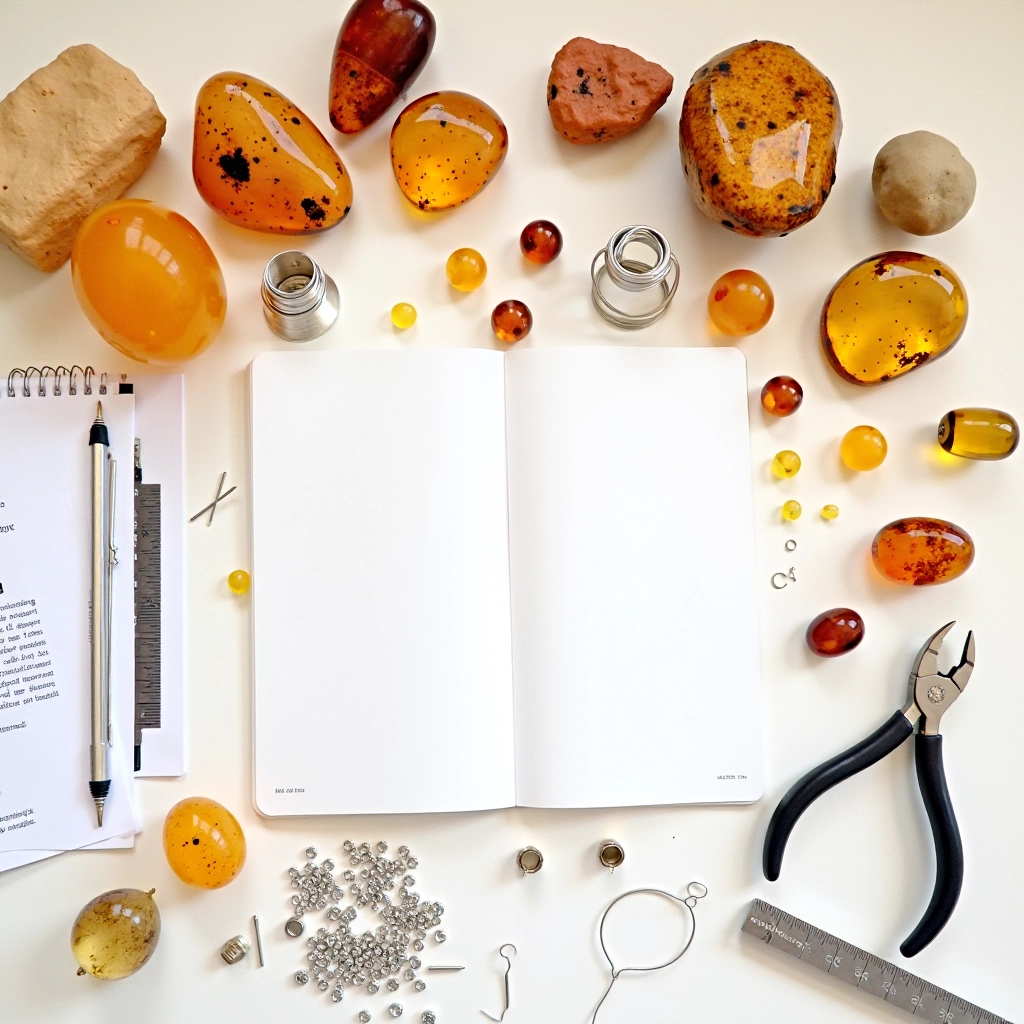
Starting Your Amber Journey
Walking into a workshop for the first time can feel overwhelming. You're surrounded by tools you've never seen before, materials that smell unfamiliar, and people who seem to know exactly what they're doing. But here's the thing — everyone started exactly where you are.
We've worked with hundreds of first-time students at our Palanga workshops since 2018. What we've learned is that picking the right class matters more than you'd think. The wrong fit means frustration. The right fit? That's where real learning happens.
Key Point
Most beginners benefit from a stringing class first. You'll learn the fundamentals, build confidence, and decide if silverwork is your next step.
Beginner Stringing Classes: The Foundation
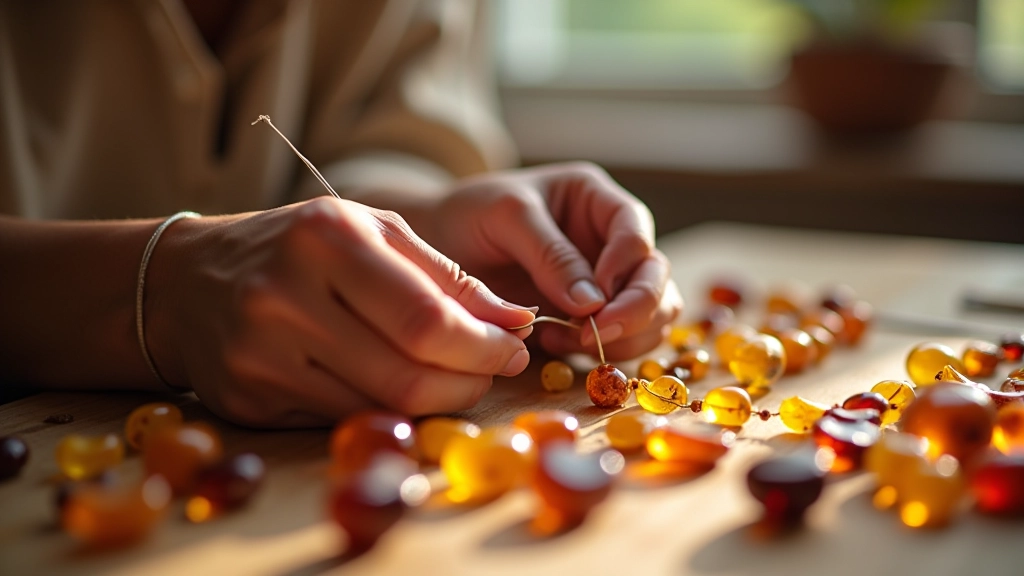
Stringing is where most people should start. It's tactile, forgiving, and genuinely fun. You're working with finished amber pieces — smooth, warm, and beautiful — threading them onto wire or string.
A typical beginner session runs two hours. You'll learn how to select compatible beads, understand different stringing materials, and create something wearable. No fancy tools needed at first — just your hands, a workspace, and guidance.
What makes these classes accessible? They're low-pressure. If you make a mistake, you unthread and try again. There's no waste, no permanent damage. That freedom to experiment is huge when you're learning.
- Work with pre-cut, polished amber pieces
- Learn proper knotting and wire-wrapping basics
- Finish a complete bracelet or necklace in one session
- No previous experience needed
Before You Enroll
This article provides informational guidance about workshop class types and what to expect. Specific class schedules, instructor availability, and current offerings change seasonally. Contact the workshop directly to confirm current programs and any special requirements. Workshop experience is individual — results vary based on your prior experience and learning pace.
Intermediate & Advanced: Silverwork Awaits
Ready for the next level? Silverwork is where things get real. You're no longer just assembling — you're creating settings, shaping metal, and making structural decisions that affect your finished piece.
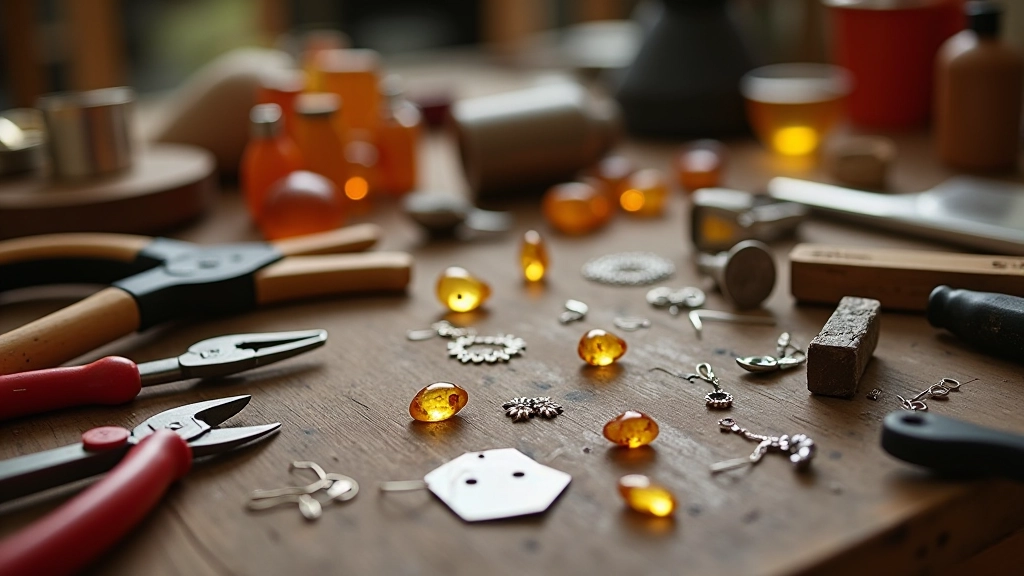
These classes typically run three to four hours. You'll work with silver wire and sheet, learning techniques like wire wrapping for secure settings, basic soldering (if offered), and how to properly secure amber without damaging it.
The jump from stringing to silverwork isn't huge, but it's meaningful. You'll need steadier hands, more patience, and willingness to learn proper tool handling. Most importantly, you'll want at least one stringing class under your belt first — it gives you understanding of how pieces fit together.
That said, don't overthink it. We've had people jump straight into intermediate classes and do fine. It just depends on your learning style and comfort with precision work.
Quick Comparison: Which Class Is Right?
Beginner Stringing
Duration
2 hours
Experience Needed
None
Tools to Learn
Basic wire, needle, simple knots
Best For
First-timers, exploring the craft
Intermediate Silverwork
Duration
3-4 hours
Experience Needed
1+ stringing class recommended
Tools to Learn
Pliers, wire cutters, hammers, files
Best For
Creating custom settings, serious learners
Advanced Techniques
Duration
4+ hours, multi-week
Experience Needed
Multiple intermediate classes
Tools to Learn
Soldering, stone setting, specialized equipment
Best For
Serious craftspeople building a business
What to Actually Bring (and Not Worry About)
Here's what trips people up: they arrive unprepared. Not because the workshop didn't tell them what to bring, but because they overthink it or bring too much.
Bring These Things
- Comfortable clothes you don't mind getting dirty — Amber dust happens. Silver scratches fabrics. You'll relax more if you're not worried about your outfit.
- A notebook if you like notes — Some people benefit from jotting down techniques. Others prefer watching. Either is fine.
- Water bottle or tea — Workshops provide basic drinks, but bring what you like.
- Reading glasses if you use them — Small details matter. Don't strain your eyes trying to see without them.
Don't Bring (or Worry About)
- Your own tools — Beginner classes provide everything. Intermediate classes might ask, but they'll tell you ahead of time.
- Fancy jewelry to work with — Use what the workshop provides. You're learning, not protecting heirlooms.
- Pre-cut designs or Pinterest inspiration — It's fine to have ideas, but don't arrive rigid about what you'll make. Sometimes the best pieces come from experimenting.
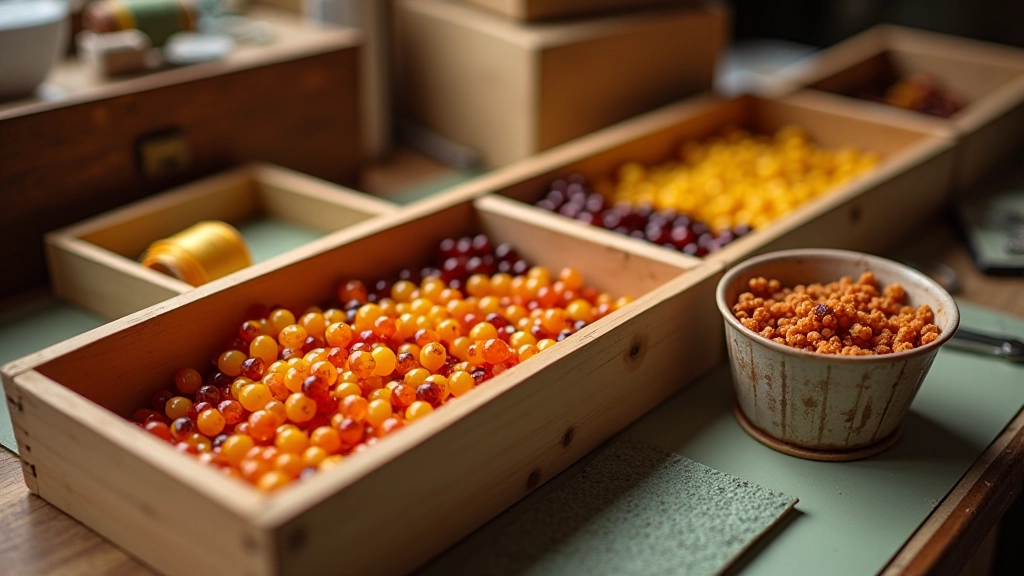
Making Your Decision: Real Considerations
Time & Schedule
Beginner stringing fits into a busy schedule. Two hours is manageable even on a weeknight. Silverwork needs longer blocks. Pick what your calendar actually allows.
Comfort With Precision
Not everyone's a detail person. Stringing is forgiving. Silverwork demands steadiness. Be honest with yourself about which appeals to you more.
Class Vibe
Ask about class size and atmosphere. Do you want social and chatty? Or focused and quiet? The right environment makes learning stick.
Long-Term Goals
Is this a one-time experience or the start of something deeper? That shapes what makes sense to start with. Both paths are valid.
Questions People Actually Ask
Can I really finish a complete piece in two hours?
Yes, but "complete" means wearable, not gallery-ready. You'll string a bracelet or simple necklace and finish it properly. It's genuinely nice. Most people wear what they make.
What if I'm left-handed?
Tell the instructor immediately. Most techniques work fine either way, but having someone show you left-handed makes a huge difference. It's worth mentioning when you book.
Do I need to know about amber before I start?
Not at all. You'll learn the basics — what makes amber special, how to tell quality, why certain pieces cost more. The workshop covers this naturally as part of class.
Is silverwork really much harder?
Harder? Maybe. More demanding? Yes. It requires more focus and fine motor control. But if you can thread a needle, you can learn silverwork. It's a skill, not a talent.
What if I hate it?
That's fine. Not everything clicks for everyone. You'll still have finished a piece and learned something. Many people discover they prefer one class type over another — that's useful information.
Your Next Step
The honest truth? There's no wrong choice here. Start with stringing and you'll build confidence and foundational skills. Jump into silverwork and you'll challenge yourself from day one. Either way, you're learning something real and creating something beautiful.
What matters most is actually showing up. Call the workshop, ask your questions, book your class. Don't overthink it. We're all nervous before trying something new — that's completely normal.
You've got this. And we're here to help when you're ready to take that first step.
Continue Your Learning
Deepen your knowledge with these related guides

Getting Started with Baltic Amber Beads
Learn how to select quality amber, understand different cuts, and prepare your first beads for stringing.
Read Guide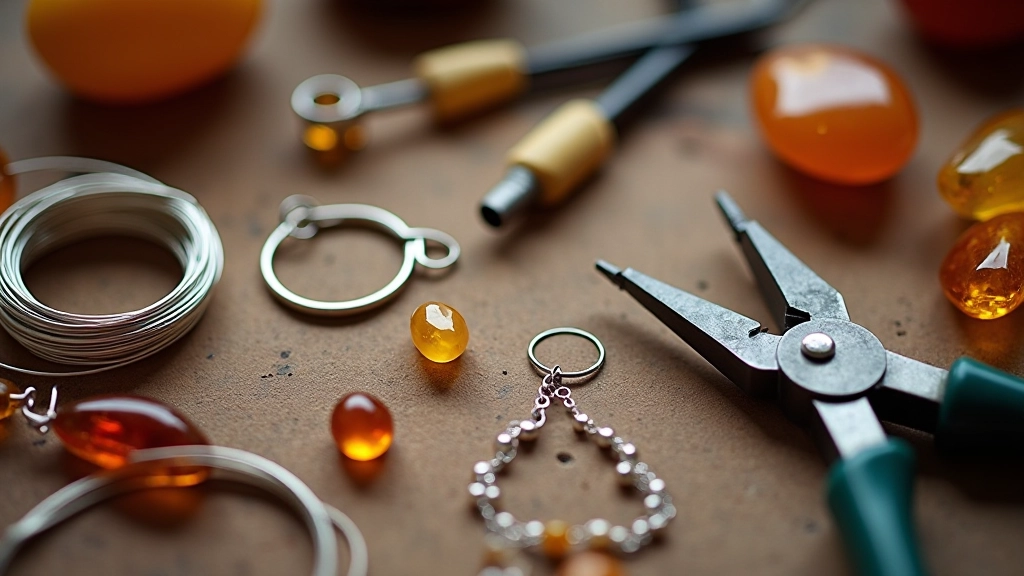
Silver Setting Techniques That Hold
Master the basics of securing amber in silver settings. We cover wire wrapping, structural stability, and best practices.
Read Guide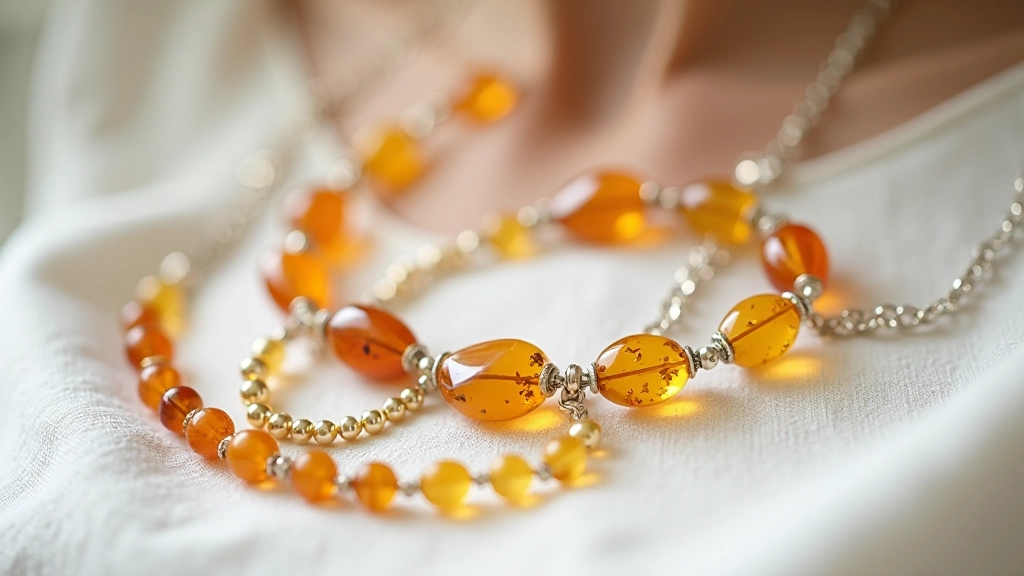
Finishing and Polishing Your Amber Pieces
The final touches matter. Discover how to polish amber safely, protect your finished pieces, and achieve professional results.
Read Guide